Copy trading routes a slice of your risk budget behind someone else’s workflow. The platform repeats their fills for you—useful when you want exposure but lack time to babysit every candle.
Newer participants often use it to study how tickets are sized and closed; time-constrained investors use it to stay attached to themes they cannot research daily. Neither role removes market, liquidity, or model risk—you still own the outcome.
What copy trading is
At its core, copy trading is delegated execution: you pick a lead account, define caps, and let infrastructure mirror their orders into yours.
You still screen leaders—returns, drawdowns, instruments traded, and how often they trade should match what you can stomach. Good dashboards expose those stats so you are not guessing from a headline win rate.
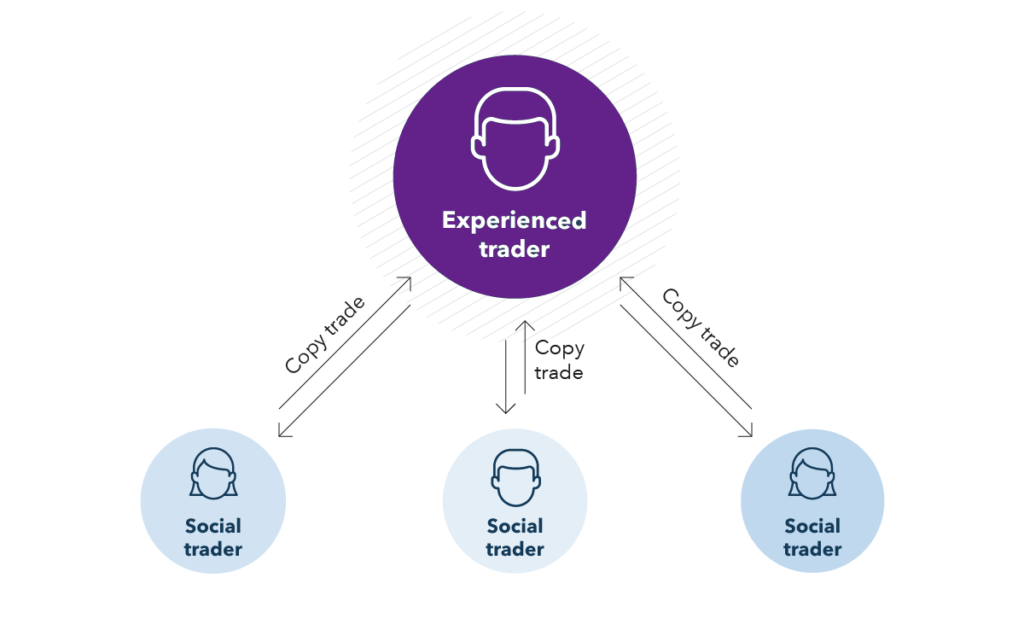
When the lead opens or scales a ticket, the router attempts the same structure on your side—often with per-strategy notional limits, pause switches, and equity stops you configure up front.
Vendors bundle adjacent ideas under one umbrella: pure copy, mirror strategies, and social feeds that stop short of auto-execution. The lines blur, so read which mode you enabled before blaming latency for a miss.
Social Trading vs Copy Trading
Another flavour is social trading: feeds, comments, and shared charts without guaranteed auto-fills.
That format is closer to a desk chat room—great for context, slower for execution because you still click each ticket yourself.
Treat it as research infrastructure, not a promise that someone else will shoulder drawdowns for you.
- Time-consuming: You curate ideas manually, so throughput is lower than full auto-copy.
- Educational: Narrative-rich threads explain why a thesis changed—helpful if you plan to graduate to your own tickets later.
Mirror Trading vs Copy Trading
Mirror trading is a subset of copy trading. Unlike copy trading, mirror trading involves replicating specific trading strategies—usually packaged algos rather than named individuals.
Those algos may blend inputs from many desks. You subscribe to the ruleset, not every discretionary tweak a human might make mid-session.
- Automation: Similar to copy trading, mirror trading is fully automated.
- Diversification: Algorithmic strategies often provide diversification within your portfolio because they process multiple market inputs and trade across various markets.
Copy trading across markets
The plumbing does not care whether the underlying prints in FX, index CFDs, metals, or single-name equity CFDs—what changes is volatility, session liquidity, and margin haircuts.
Any venue with standardised tickets can be mirrored once the exchange or broker exposes an API path.
Macro and commodity books often attract copy followers because the narratives are complex; just remember that your leader’s latency and fill quality become yours on a bad news gap.
Pros and cons
Automation saves keystrokes; it does not outsource accountability. Weigh both sides before wiring capital to a stranger’s playbook.
Pros:
- Execution discipline: Tickets fire without you second-guessing every pivot—helpful if your edge is process, not discretion.
- Comparable stats: Serious consoles surface drawdowns, holding periods, and instrument mix so you can shortlist leaders methodically.
- Fewer impulsive edits: You are less likely to widen stops mid-trade—but only if you resist disabling safeguards when a streak breaks.
Cons:
- Convex downside: Their bad day is yours unless caps, equity stops, or manual pauses cut exposure fast enough.
Can copy trading pay off?
Your ledger tracks whoever you attach to. Strong historical metrics can help, yet every forward path includes gap risk, correlation shocks, and model drift—none of which disappear because a leaderboard looked green last quarter.
Market risk
Directional exposure is directional exposure. Indices, FX, single names, and rates all gap; copying does not insulate you from the tape.
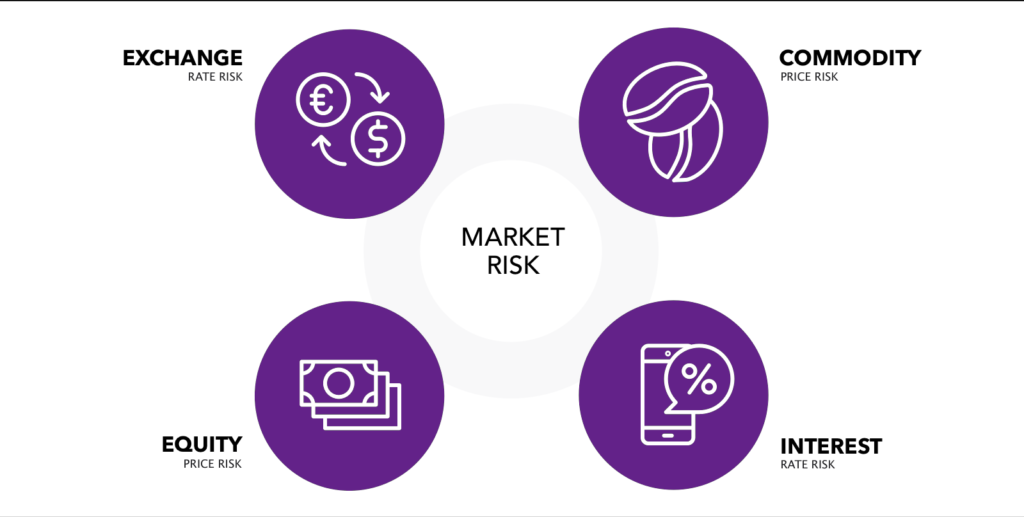
Seasoned desks still sidestep known landmines—major prints, roll windows, thin holiday books. Ask whether your chosen leader does the same.
Liquidity risk
You may inherit someone else’s timing: they lift offers into a thin book while you are asleep, or flatten into a one-way tape.
Slippage spikes on exotics, off-hours CFDs, or headline gaps. If their style thrives on catching knives in illiquid names, your fills may diverge materially from theirs.
Liquidity risk is the risk that you (or your followed traders) are unable to close a trade at a certain price, within a reasonable amount of time.
Systematic risk
Macro shocks hit every sleeve at once. Diversifying across three copy leaders who all lean the same macro bet does not diversify the shock.
Policy pivots—think sudden peg removals or emergency rate paths—can gap through stops. Budget for scenarios where correlation goes to one.
How to start responsibly
Treat onboarding like risk engineering: fund modestly, cap per-strategy notionals, and rehearse how you will detach if telemetry turns sour.
- Open and verify: Complete KYC, fund only what you can lose, and map margin tiers for the instruments you might mirror.
- Shortlist deliberately: Rank leaders by max drawdown and trade frequency, not headline return. Read which markets they lean on and whether that matches your session availability.
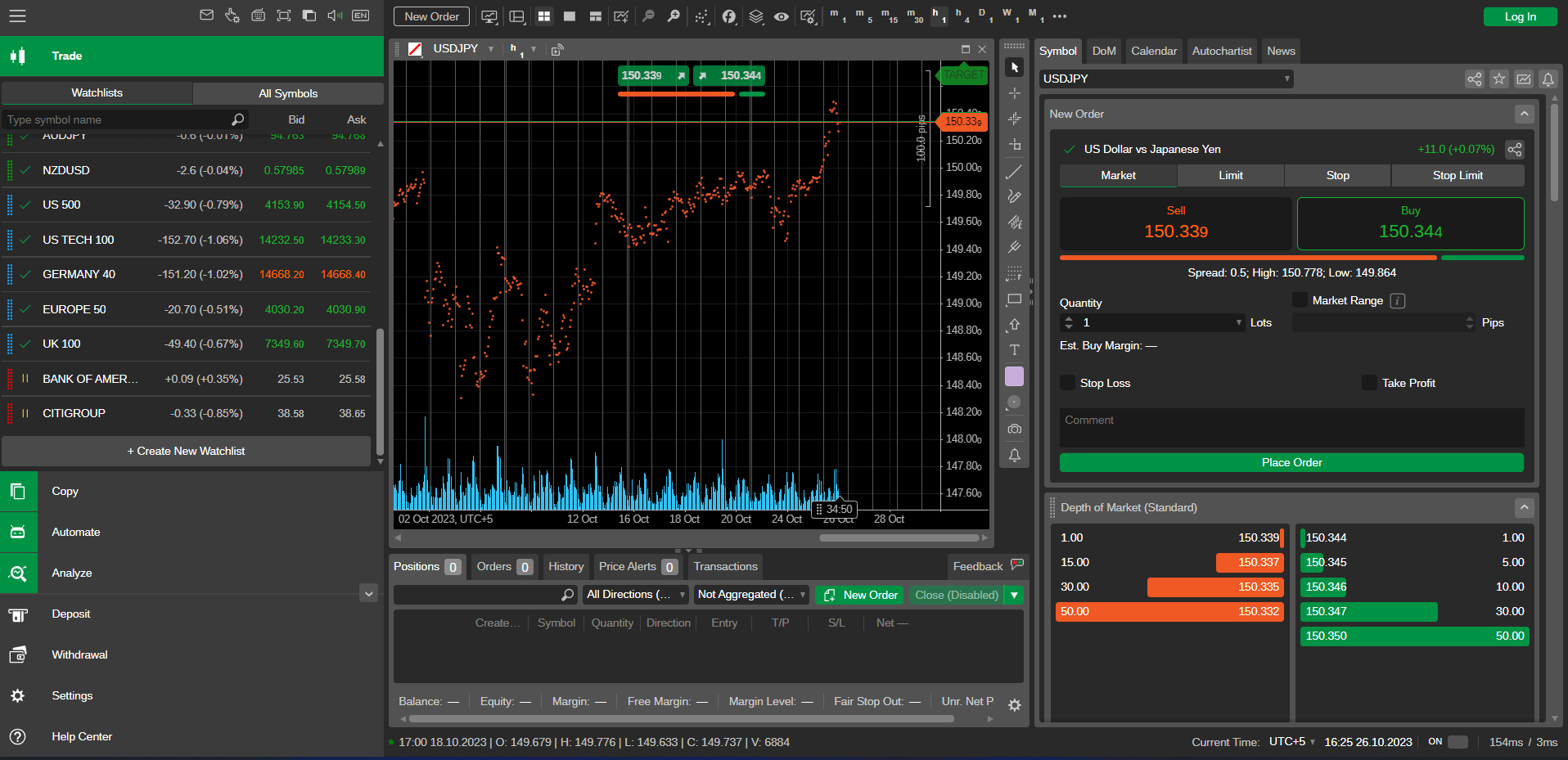
Performance charts lie by omission if they hide leverage, recovery time, or instrument concentration. Cross-check against raw trade logs when the platform exposes them.
- Attach with limits: Enable follow only after setting equity stops, per-trade caps, or pause rules you will actually honor.
Most consoles let you split balance across several leaders—useful for avoiding single-manager fatigue, useless if they all run the same factor tilt.
What are trading signals?
Signals spell out direction, entry, and protective brackets. You keep veto rights—handy when latency or spread makes the printed levels stale.
A stylised example:
BUY EUR/USD @ $1.0850, TP: $1.0950, SL: $1.0800.
You may tighten stops, skip the ticket, or scale differently than the author—freedom at the cost of tracking error versus the broadcast.
Who provides signals?
Publishers can be individuals, desks, or curated rooms. Followers still click unless the feed pipes into auto-copy.
On full copy platforms, the “signal” is implicit: every parent fill becomes a child order subject to your caps. Either way, verify history and drawdowns before trusting the stream.
Choosing providers deliberately
You might never write your own alpha, but you still need a selection policy—what to follow, when to cut, and how much rope each sleeve gets.
- Tradeable Markets: Every trade made by the trader you follow will be copied into your account. It's important to know what markets the trader primarily trades and whether they align with your goals and trading style.
For instance, a leader concentrated in US tech beta inherits that sector’s gap risk; traders focusing on crypto or energy often print wider equity swings. Match their habitat to the volatility you can fund.
- Risks: Determine how much risk you're willing to take with copy trading. Many platforms let you set a maximum loss or allocate a specific percentage of your account to a single trader. In semi-automated or social trading, you have even more risk management control.
- Market Analysis: While copy trading removes the need for independent market analysis, it's wise to monitor your copied trades and make adjustments if market conditions change. This is especially important if your followed trader lacks experience.
- Leverage: Consider whether you want to trade with leverage. Leverage can amplify both profits and losses. Never invest more than you can afford to lose.
Why run copy strategies through Prsgate
Prsgate stitches execution, margin, and copy routing into one workspace so you are not juggling spreadsheets beside a third-party mirror.
After you verify and fund, filters help you compare leaders by performance bands, assets under copy, and follower counts—then you wire caps before the first mirrored ticket lands.
FX, indices, equity indices, and commodities are available for mirrored sleeves where the product suite allows; mobile access keeps you inside guardrails when you are away from the desk.
Is copy trading a good idea?
It can be if you want delegated execution, understand you still carry the risk, and size positions so one rough patch cannot erase the account. It is a poor fit if you expect passive income with no monitoring.
Is copy trading illegal?
In many jurisdictions it is lawful when offered by licensed intermediaries; local rules on marketing, leverage, and investor categorisation still apply. Check the disclosures for your country of residence.
Is copy trading good for beginners?
Beginners sometimes use it to observe sizing and exits, but beginners also blow accounts by over-leveraging copied sleeves. Treat it as a supervised lab, not a substitute for learning how margin and stops behave.
How much can you make from copy trading?
There is no capped upside and no floor on losses. P&L tracks the leaders you pick, minus fees, slippage, and any disconnect between their fills and yours. Past leader performance does not guarantee future results.
Is copy trading really profitable?
Some followers report strong years; others exit after a single correlated drawdown. Profitability is path-dependent on leader selection, leverage, and whether you intervene when regime shifts.
Does copy trading really work?
The plumbing generally works when connectivity and margin are sound. Whether you end up ahead depends on risk controls and whether the leader’s edge persists after you start copying.
